

A frozen dessert maker buys color for a finished scoop, bar, or swirl, not for a glass of blue liquid. The mix, freezing process, distribution, and serving conditions all affect what the customer sees. For a nondairy product, the base itself may be beige, gray, or bright white. That makes a controlled plant trial more useful than a generic ingredient brochure.
Does the current US rule cover this category?
The current US spirulina-extract listing covers ice cream and frozen desserts, including nondairy frozen desserts. That is a listed use at good-manufacturing-practice levels; it does not prove an offered blue powder meets the legal identity or that every frozen formula will hold the desired shade. Check any standard of identity relevant to the finished food. Read the exact 21 CFR § 73.530 entry and the FDA color-additive update before approving a commercial formula. Color additives require authorization for their intended use; the rule's exemption from FDA batch certification is not an exemption from identity, specification, use, or label requirements.
Define the visible part of the product
Is the blue color intended for the whole base, a swirl, a coating, or a small decorative portion? Those are different manufacturing briefs. Make the target clear with a photograph of the served product and a description of the component being colored. If a bar has a blue coating but a white center, test both the coating application and the finished bar after packing.
Run the color trial in the actual nondairy base. Record the mix before freezing, the product directly after freezing, and the product after routine storage. Compare samples after the normal serving tempering period. If the route to market includes temperature variation, design a controlled challenge approved by your QA team. Do not infer shelf performance from a single scoop taken from the pilot freezer.
Keep flavor and texture in the decision
Appearance is one part of purchase approval. Compare the candidate formula with a control for flavor, mouthfeel, texture, and visual appeal. The goal is a product consumers would choose again. A blue shade that requires an unacceptable sensory change is not a successful reformulation.
Ask the supplier for an identity statement, extraction process, composition including any carriers, current specification, and lot-specific COA. Ask whether sample material and later lots are controlled to the same specification. Request data for the intended process, then verify it in your own pilot.
Write the scale-up gate
Before procurement releases a production order, R&D should sign the target shade, QA should approve the material and label information, and operations should confirm the mixing and freezing procedure. Keep the retained samples and photographs with the batch record.

Where AimGrow fits in the buying conversation
AimGrow has an official 50 g Blue Spirulina Phycocyanin retail listing and a wholesale products page. Those pages do not establish that a particular lot meets the US color-additive identity or that bulk blue extract is currently available. Ask for the exact material specification and lot documents needed by your QA team.
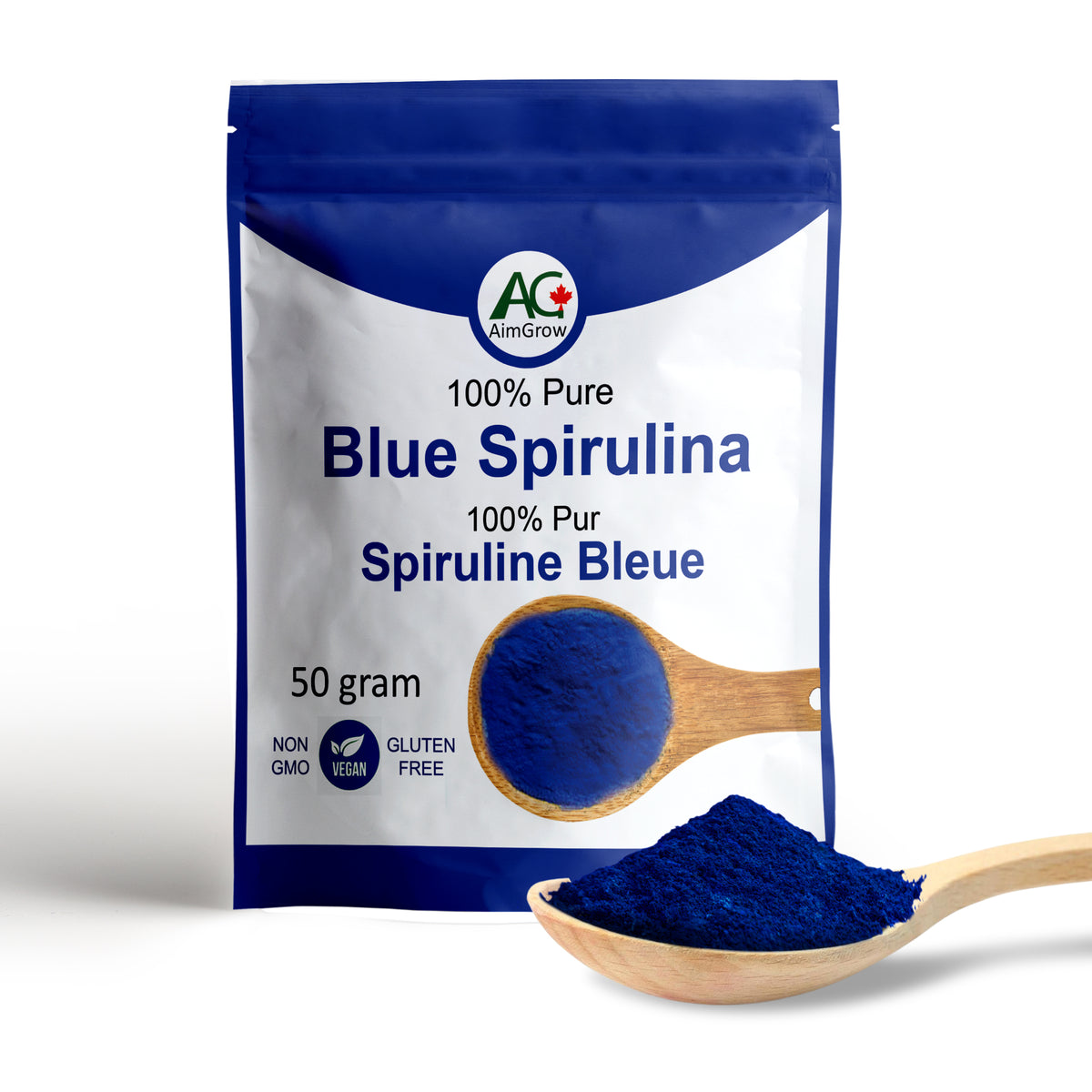
Ready to discuss a pilot? Contact AimGrow with your finished food category, intended US market, process, target shade, sample quantity, expected volume, and requested documents. For the broader category map, read which US food manufacturers can use spirulina extract color; for a neighboring topic, see the existing ice-cream pilot article.
Sources and review date
Regulatory sources reviewed November 15, 2026: 21 CFR § 73.530 and the FDA color-additives overview. Recheck the current rule, your exact ingredient, and your finished food before a commercial decision. Pilot photographs in this article are illustrative.