
A blue yogurt alternative can look appealing in a sample cup and inconsistent in a production tub. Oat, soy, coconut, and other bases start with different colors and textures. A manufacturer needs to decide where and how the blue ingredient enters the process, how it looks after filling, and what the shopper sees during the product's shelf life.
Does the current US rule cover this category?
The US spirulina-extract listing expressly includes yogurts and nondairy yogurt alternatives. The authorization still depends on a compliant additive, the specific finished food, and any applicable standard of identity. A consumer-facing package that says 'blue spirulina' is not enough to establish the regulatory identity of an industrial lot. Read the exact 21 CFR § 73.530 entry and the FDA color-additive update before approving a commercial formula. Color additives require authorization for their intended use; the rule's exemption from FDA batch certification is not an exemption from identity, specification, use, or label requirements.
Choose a base before choosing a shade
Use the actual cultured base, flavor, and inclusions planned for sale. A bright white base can make a small color difference obvious; a beige oat base or a fruit layer can change the apparent blue. Keep those variables fixed in a side-by-side trial. If the product is swirled or layered, assess each component and the final spoonful rather than only a fully mixed sample.
Record when the color is added, the temperature of the base, the mixing time, and the visual result at the start and end of filling. Then compare sealed tubs during the full planned refrigerated life. Look for mottling, separation, staining around fruit or inclusions, and shade drift. These are trial questions, not assumed weaknesses of a particular supplier material.
Build a useful sensory and visual panel
Ask a small internal panel to evaluate appearance and flavor in the real package under ordinary retail lighting. Use a blind comparison when practical: control, lower-color trial, and higher-color trial. Document the target shade and any flavor effect in a written scorecard. A color that photographs beautifully under studio light may not be the best finished yogurt.
For procurement, request the exact extract identity, full composition and carriers, a current specification, and a lot-specific COA. Ask for the pilot lot and future production-lot relationship. The QA team should review the ingredient declaration and any ‘no artificial colors’ wording separately from the color trial.
When to stop the pilot
Do not scale simply because one tub looks blue. Scale when regulatory fit, repeatable appearance, sensory acceptance, and a controllable incoming-material specification are documented. If one of those is unresolved, revise the brief and run another controlled sample set.

Where AimGrow fits in the buying conversation
AimGrow has an official 50 g Blue Spirulina Phycocyanin retail listing and a wholesale products page. Those pages do not establish that a particular lot meets the US color-additive identity or that bulk blue extract is currently available. Ask for the exact material specification and lot documents needed by your QA team.
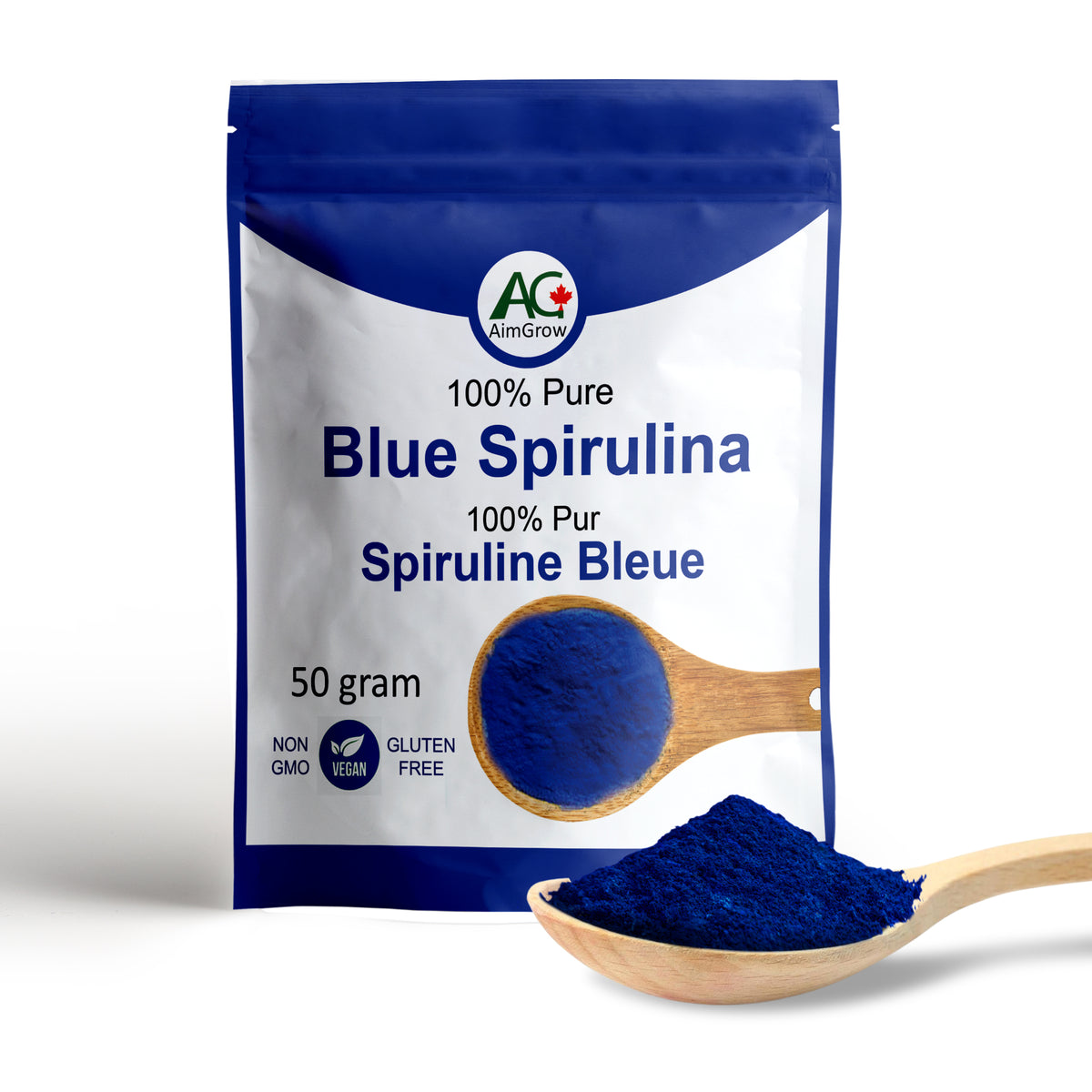
Ready to discuss a pilot? Contact AimGrow with your finished food category, intended US market, process, target shade, sample quantity, expected volume, and requested documents. For the broader category map, read which US food manufacturers can use spirulina extract color; for a neighboring topic, see the US food-factory category guide.
Sources and review date
Regulatory sources reviewed November 15, 2026: 21 CFR § 73.530 and the FDA color-additives overview. Recheck the current rule, your exact ingredient, and your finished food before a commercial decision. Pilot photographs in this article are illustrative.