

A candy factory may want one blue color across a hard candy, a coated piece, and a chewing gum SKU. That sounds efficient, but each product has a different process and a different place where the color appears. The useful first question is which finished confection and which component you are coloring.
Does the current US rule cover this category?
The current US regulation lists confections, including candy and chewing gum, for spirulina extract. It does not mean every ingredient marketed as 'blue spirulina' matches the legal color-additive definition. The 2026 general-use expansion remains delayed, so document the current category and actual supplier material before a factory trial. Read the exact 21 CFR § 73.530 entry and the FDA color-additive update before approving a commercial formula. Color additives require authorization for their intended use; the rule's exemption from FDA batch certification is not an exemption from identity, specification, use, or label requirements.
Separate the candy, coating, and gum briefs
For a hard candy, record the stage at which color enters and the actual temperature and hold time. For a coated confection, check whether shade is judged on the coating, in the core, or both. For chewing gum, note whether the color is in the gum mass or a separate surface layer. Avoid treating a photo of a blue gummy as evidence for a different process.
Make a small, matched set of control and colored samples using the real process. Photograph them at release and after the planned package and storage period. Look at piece-to-piece consistency, color transfer, visual defects, and consumer-facing appearance. Ask the sensory team to score flavor and texture, not just shade.
What procurement should capture
Have R&D specify target shade, desired application stage, pilot batch size, and expected annual usage. QA should request the supplier’s species and extraction process, complete composition, any carriers or diluents, current specification, and lot-specific COA. The regulation includes limits for lead, arsenic, and mercury and a negative microcystin requirement; exemption from FDA batch certification does not remove those obligations.
If a supplier offers a different grade after the pilot, do not silently substitute it. Compare the complete formula and certificate, then decide whether a new trial and label review are needed.
Approve the product people will actually buy
Review the packed confection under normal store light. Packaging color can make a pale blue candy look different from an unpacked sample. Keep photographs, process notes, and the reference lot in the approval record so the next run has a real standard.

Where AimGrow fits in the buying conversation
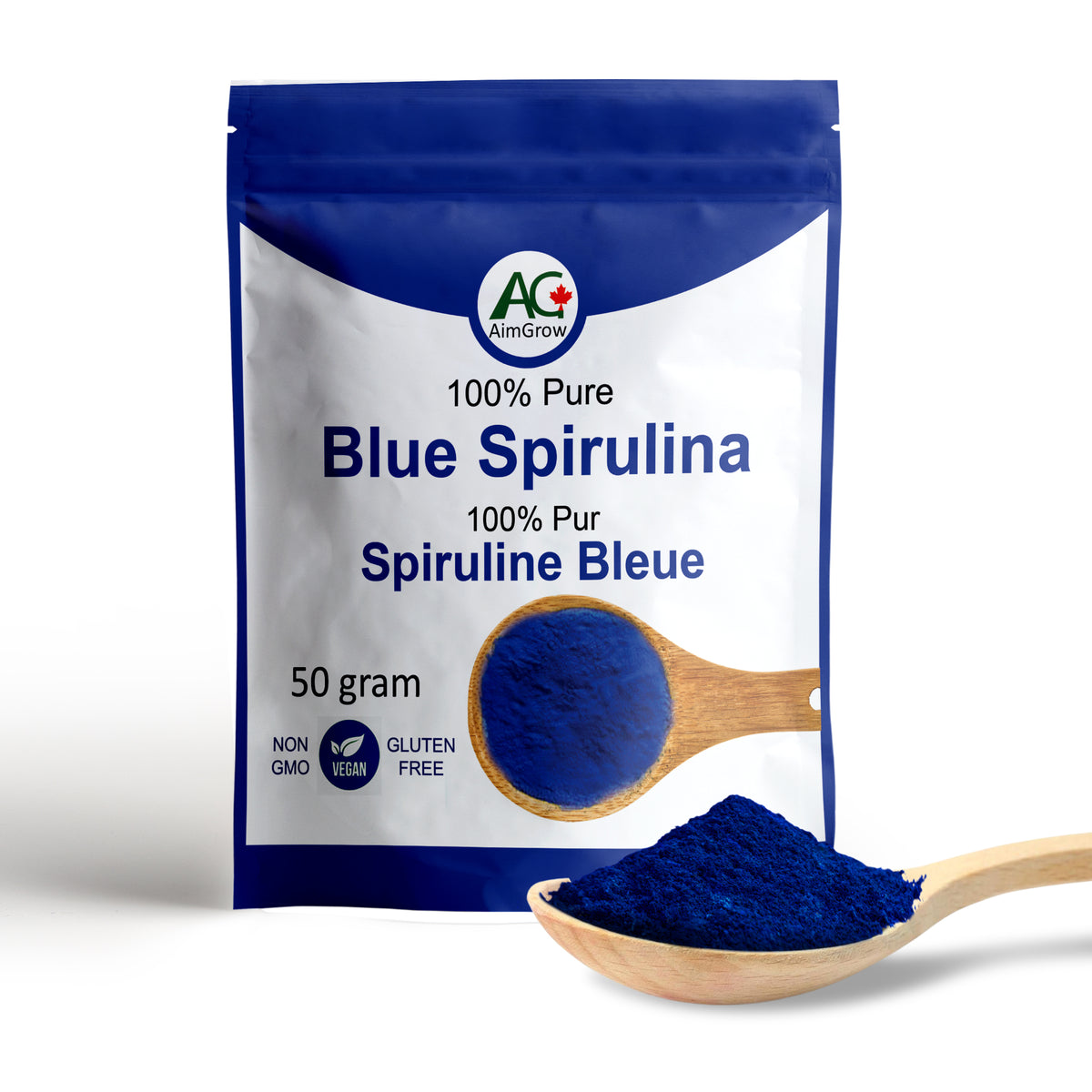
AimGrow has an official 50 g Blue Spirulina Phycocyanin retail listing and a wholesale products page. Those pages do not establish that a particular lot meets the US color-additive identity or that bulk blue extract is currently available. Ask for the exact material specification and lot documents needed by your QA team.
Ready to discuss a pilot? Contact AimGrow with your finished food category, intended US market, process, target shade, sample quantity, expected volume, and requested documents. For the broader category map, read which US food manufacturers can use spirulina extract color; for a neighboring topic, see the existing spirulina gummy formulation guide.
Sources and review date
Regulatory sources reviewed November 15, 2026: 21 CFR § 73.530 and the FDA color-additives overview. Recheck the current rule, your exact ingredient, and your finished food before a commercial decision. Pilot photographs in this article are illustrative.