

A frosting maker may approve color in the mixing bowl and then see a different blue on a cake after piping, packing, and display. The problem is rarely solved by saying 'add more blue.' A production brief needs a shade reference, a specific frosting base, and a way to decide whether each batch passes.
Does the current US rule cover this category?
Frostings are specifically named in the current US spirulina-extract listing. That does not automatically authorize color in every baked component or establish that a retail blue powder is the listed additive. Where the finished food has a standard of identity, the added-color rule must also be checked. Read the exact 21 CFR § 73.530 entry and the FDA color-additive update before approving a commercial formula. Color additives require authorization for their intended use; the rule's exemption from FDA batch certification is not an exemption from identity, specification, use, or label requirements.
Make the shade standard visible
Compare a plain control, a lower-color trial, and a higher-color trial on the actual cake or dessert surface. Use the same frosting recipe, mix time, and display lighting. Photograph each sample against a neutral background and save the reference with the approved formula. If the brand uses an exact blue in its artwork, agree on an acceptable food shade instead of assuming printed ink and frosting will match.
Test the work a baker actually does
Pipe, spread, and hold the trial frosting in the same way as production. Check whether the shade looks even on edges and swirls, whether a decorator can work at normal speed, and whether the appearance changes after the expected hold and package time. These are product-specific questions; no supplier can answer them for every buttercream or plant-based base from a powder photograph.
Keep flavor and texture in the scorecard. A frosting that looks right but changes the eating experience fails the buyer’s brief. If the product uses multiple colors, test them next to each other in the finished design.
Keep the ingredient approval separate
QA should confirm the actual extract identity, full composition, carrier or diluent, current specification, and lot-specific COA. The listed additive is filtered aqueous extract from dried Arthrospira platensis with phycocyanins as the principal coloring components. Ask the supplier whether the trial lot and production lot are the same grade.
Before launch, regulatory should approve the ingredient declaration and any color-related claim. FDA’s 2026 position on certain ‘no artificial colors’ claims does not expand authorized uses. Keep the approved artwork linked to the formula and lot documentation.

Where AimGrow fits in the buying conversation
AimGrow has an official 50 g Blue Spirulina Phycocyanin retail listing and a wholesale products page. Those pages do not establish that a particular lot meets the US color-additive identity or that bulk blue extract is currently available. Ask for the exact material specification and lot documents needed by your QA team.
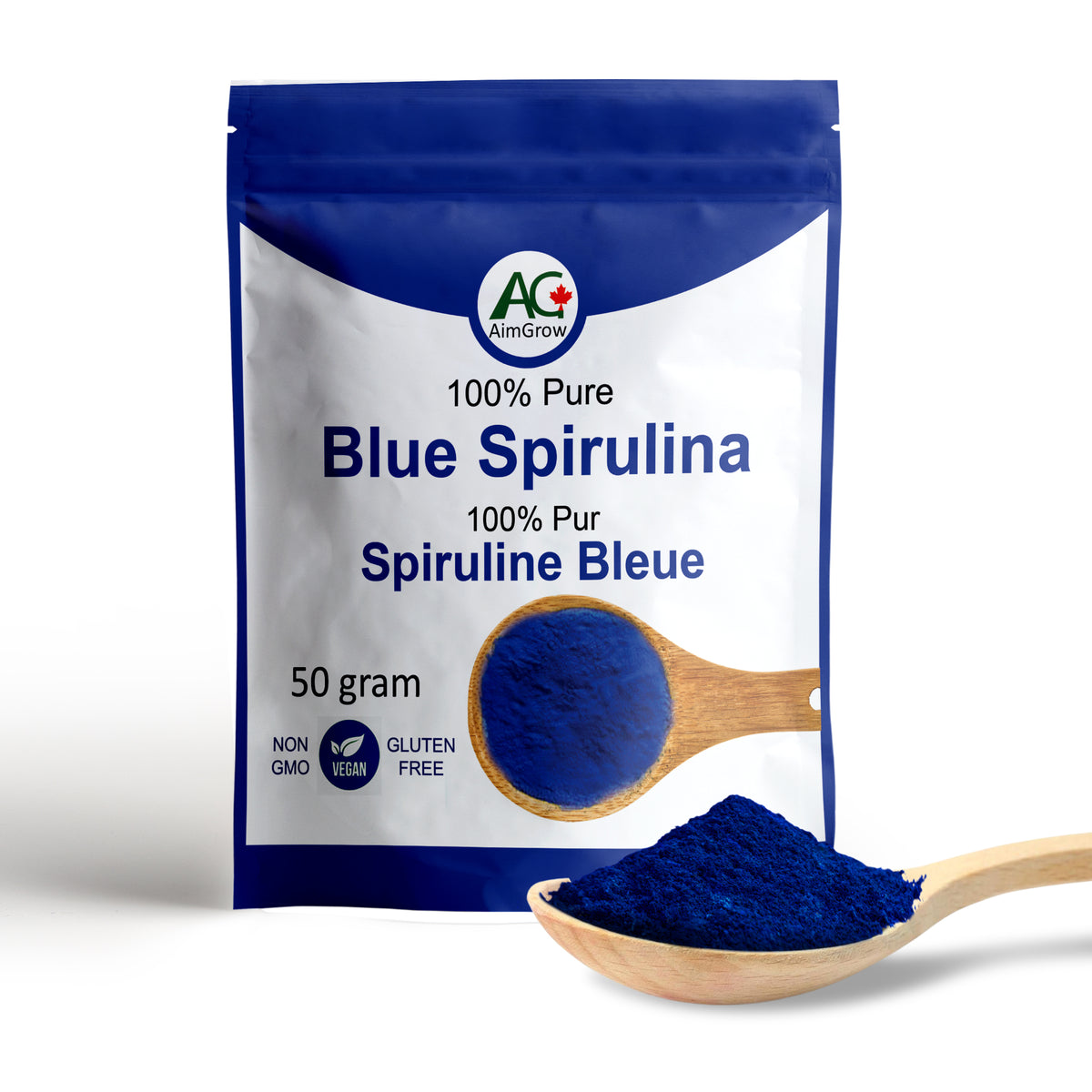
Ready to discuss a pilot? Contact AimGrow with your finished food category, intended US market, process, target shade, sample quantity, expected volume, and requested documents. For the broader category map, read which US food manufacturers can use spirulina extract color; for a neighboring topic, see the consumer frosting guide.
Sources and review date
Regulatory sources reviewed November 15, 2026: 21 CFR § 73.530 and the FDA color-additives overview. Recheck the current rule, your exact ingredient, and your finished food before a commercial decision. Pilot photographs in this article are illustrative.