

Blue can be attractive in a dessert and unexpected in a savory dip. A sauce or dressing brand therefore has two questions: is the color use in the current US category list, and would a shopper understand and enjoy the finished food? The second question is a product test, not a regulatory shortcut.
Does the current US rule cover this category?
The current 21 CFR 73.530 list names salad dressings, condiments and sauces, and dips. It separately names unheated seasoning mixes; that 'unheated' qualifier should not be copied onto the sauce and dip entries. The actual finished food, full formula, and listed color identity still need review. Read the exact 21 CFR § 73.530 entry and the FDA color-additive update before approving a commercial formula. Color additives require authorization for their intended use; the rule's exemption from FDA batch certification is not an exemption from identity, specification, use, or label requirements.
Decide what the blue is doing
Is blue a small swirl in a dip, a pastel ranch-style dressing, or the whole sauce? Write that down before asking for samples. Use the real base, herbs, acid, oil level, and container. Compare a plain control with color trials under everyday lighting. If a blue sauce looks gray next to vegetables or changes after mixing, adjust the concept before placing a larger order.
The line trial should record addition order, mixing time, filling conditions, and the appearance at the first and last filled jars. Watch the actual emulsion or suspension over the intended shelf life for separation and uneven color. Treat any heating step as a condition to test in your formula rather than assuming an outcome from another product.
Let people taste it
Ask a small panel to evaluate appearance, aroma, flavor, and willingness to use the sauce with the intended food. A visually striking blue dip is not a commercial win if buyers expect a different flavor or refuse a second spoonful. Keep the panel questions specific to the intended consumer.
Supplier and label review
Request the exact extract identity, complete composition and carriers, specification, and lot-specific COA. Ask how the supplier handles changes in grade or process. Before label approval, confirm the color declaration and any ‘no artificial colors’ claim with regulatory. FDA’s 2026 labeling discretion is limited and does not make unapproved color uses lawful.
Send AimGrow the finished category, target color, whether the product is heated, pH range, pilot quantity, packaging, and documentation request. That makes an inquiry answerable without implying that a retail pouch is a factory specification.

Where AimGrow fits in the buying conversation
AimGrow has an official 50 g Blue Spirulina Phycocyanin retail listing and a wholesale products page. Those pages do not establish that a particular lot meets the US color-additive identity or that bulk blue extract is currently available. Ask for the exact material specification and lot documents needed by your QA team.
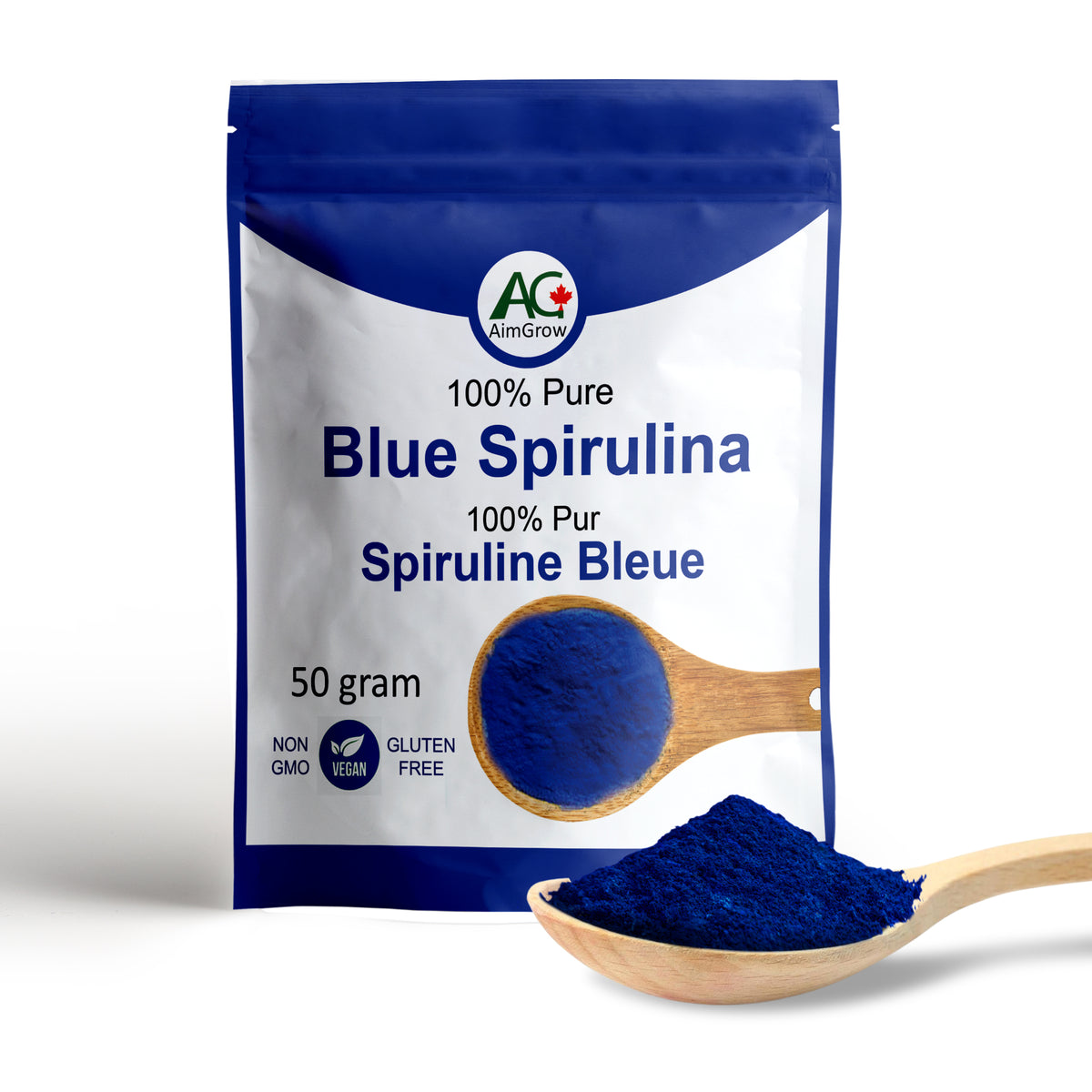
Ready to discuss a pilot? Contact AimGrow with your finished food category, intended US market, process, target shade, sample quantity, expected volume, and requested documents. For the broader category map, read which US food manufacturers can use spirulina extract color; for a neighboring topic, see the existing green spirulina dressing formulation.
Sources and review date
Regulatory sources reviewed November 15, 2026: 21 CFR § 73.530 and the FDA color-additives overview. Recheck the current rule, your exact ingredient, and your finished food before a commercial decision. Pilot photographs in this article are illustrative.